
The journey of chance tracing the historical evolution of gambling
Origins of Gambling
The journey of gambling can be traced back to ancient civilizations, where games of chance and skill were played for enjoyment and to appease the gods. Archaeological evidence indicates that as far back as 3000 BC, the Chinese were using dice made from animal bones, known as astragali, to engage in games of chance. Additionally, exploring top irish online casinos can provide insights into how these games have evolved over millennia. Similarly, in ancient Egypt, artifacts suggest that board games akin to modern gambling were prevalent, hinting at a long-standing human fascination with risk and reward.
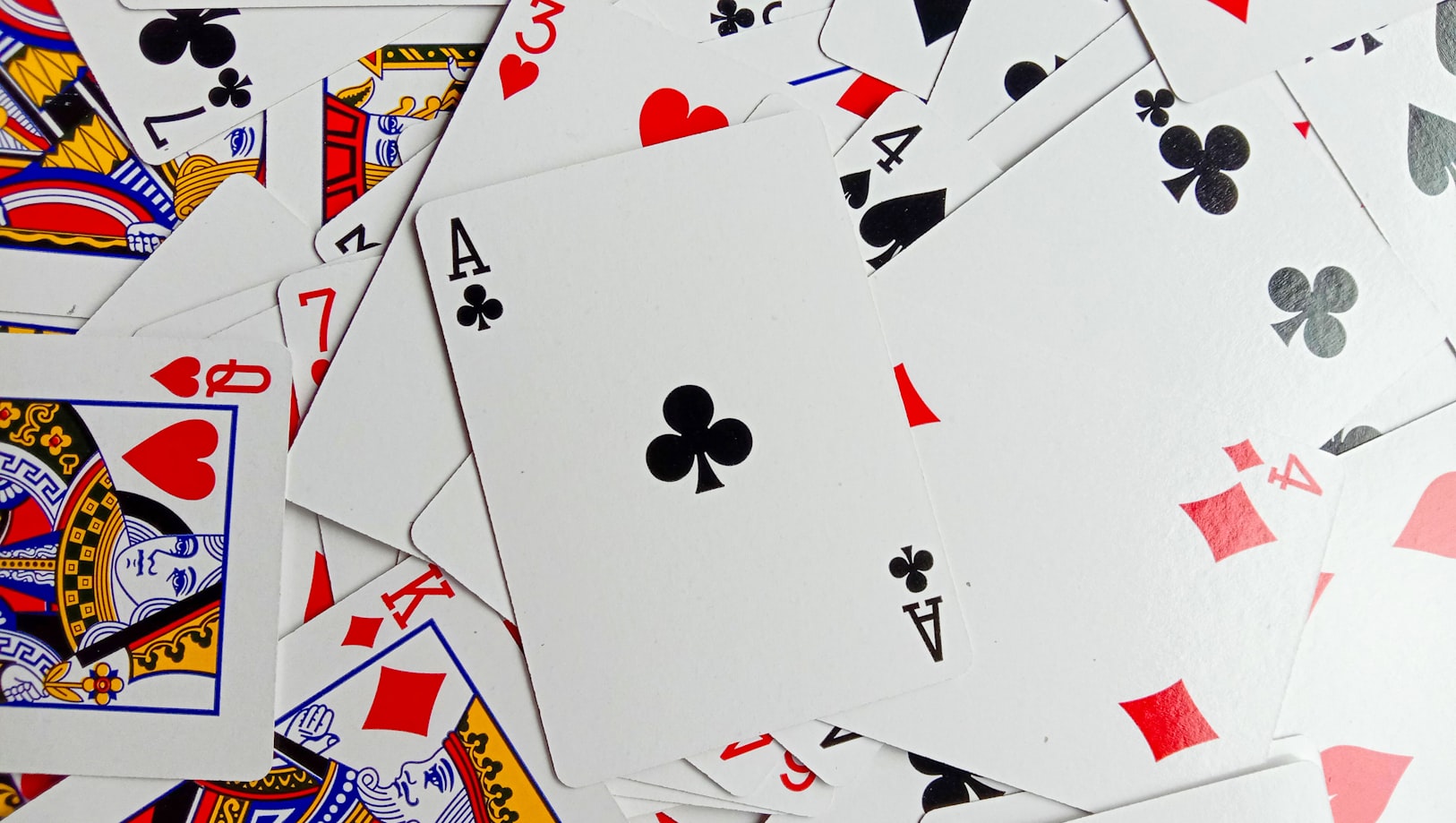
In the Roman Empire, gambling became more organized and widespread, with citizens betting on various events, including gladiatorial contests and chariot races. These activities were often accompanied by specific rules and regulations, foreshadowing the more structured forms of gambling we see today. The Romans not only contributed to the evolution of gaming but also introduced the concept of betting as a social activity, integrating it into the fabric of their entertainment culture.
As gambling spread across continents, different societies adopted and adapted these practices. In Asia, the introduction of games like Pai Gow in China and the emergence of various card games in India shaped regional gambling customs. This cross-cultural exchange led to the development of diverse gaming styles and betting systems, laying the groundwork for the varied forms of gambling that exist today.
The Rise of Casinos
The establishment of the first official casinos can be traced back to the 17th century in Italy. The term “casa” originated from these venues, which offered games of chance in a social setting. The Ridotto, established in Venice in 1638, is often credited as the world’s first public gambling house, offering games like baccara and the early forms of lottery. This marked a significant shift, as gambling transitioned from informal gatherings to more formalized establishments.
As casinos began to emerge throughout Europe, they became focal points for entertainment and social interaction. The lavish architecture of these establishments not only attracted the wealthy elite but also served as a symbol of status and sophistication. By the 19th century, casinos had proliferated across Europe, with Monte Carlo in Monaco becoming synonymous with high-stakes gambling and luxury.
The 20th century saw the expansion of casinos into America, with Las Vegas becoming the epicenter of gambling culture. The legalization of gambling in Nevada in 1931 transformed the city into a haven for gamblers, attracting millions seeking fortune and entertainment. The glitz and glamour of Las Vegas set the stage for modern casinos, where the psychology of gambling is carefully crafted to enhance the experience, employing tactics that encourage players to stay engaged and invested in their games.
The Psychology of Gambling
The psychology of gambling is a complex interplay of emotions, motivations, and cognitive processes. Gamblers often experience a thrill from the uncertainty of outcomes, which can lead to both excitement and anxiety. Understanding this psychological aspect is critical for both players and operators, as it influences how individuals approach risk and decision-making in gambling contexts.
Various psychological theories explain why individuals are drawn to gambling. The “near-miss” phenomenon, where players come close to winning, can create a sense of hope and motivation to continue playing despite losses. This concept is further exacerbated by the presence of variable reinforcement schedules, where rewards are unpredictable, making the experience more exhilarating. These psychological strategies are frequently employed in both traditional and online gaming environments.
The role of emotions in gambling behavior cannot be overlooked. Research has shown that factors such as mood and stress levels can significantly impact a player’s decisions. For instance, individuals may gamble as a form of escapism, using the thrill of betting to cope with life’s challenges. Understanding these psychological nuances can help promote responsible gambling practices and support those at risk of developing gambling problems.
Modern Gambling and Technology
The advent of technology has revolutionized the gambling landscape, making it more accessible and varied than ever before. Online casinos have surged in popularity, offering a wide range of games at players’ fingertips. Virtual platforms allow gamblers to engage in their favorite games from the comfort of home while introducing innovative formats like live dealer games that replicate the casino experience.
Mobile gaming has further transformed how people gamble, enabling users to place bets via smartphones and tablets. This convenience has led to an increase in participation, as individuals can now gamble anywhere at any time. However, this ease of access also raises concerns about responsible gambling, prompting operators to implement measures to promote safe play and prevent addiction.
The integration of artificial intelligence and data analytics is shaping the future of gambling by allowing operators to tailor experiences to individual preferences. These technologies enhance engagement by offering personalized promotions and insights based on player behavior. As the industry continues to evolve, understanding the implications of these technological advances will be crucial in shaping responsible gambling practices and ensuring player safety.

Exploring the World of Online Gambling
With the increasing acceptance and legalization of online gambling, platforms have emerged to cater specifically to various markets, including regions like Ireland. As more players turn to the internet for their gaming needs, online casinos are becoming key players in the gambling industry. These platforms offer a diverse array of games, from classic table games to modern video slots, providing an extensive selection for all types of players.
Responsible gaming is a central focus for online casinos, which often implement features to help players manage their habits. This includes setting deposit limits, self-exclusion options, and providing resources for gambling addiction support. By prioritizing player safety, these platforms aim to foster a positive gaming environment where players can enjoy their experience while being mindful of potential risks.
The growing trend of online gambling also influences the traditional casino landscape, prompting physical establishments to adapt by incorporating online elements into their offerings. Hybrid models that blend in-person and online experiences are likely to define the future of gambling, catering to evolving player preferences and ensuring that the industry remains vibrant and engaging.
